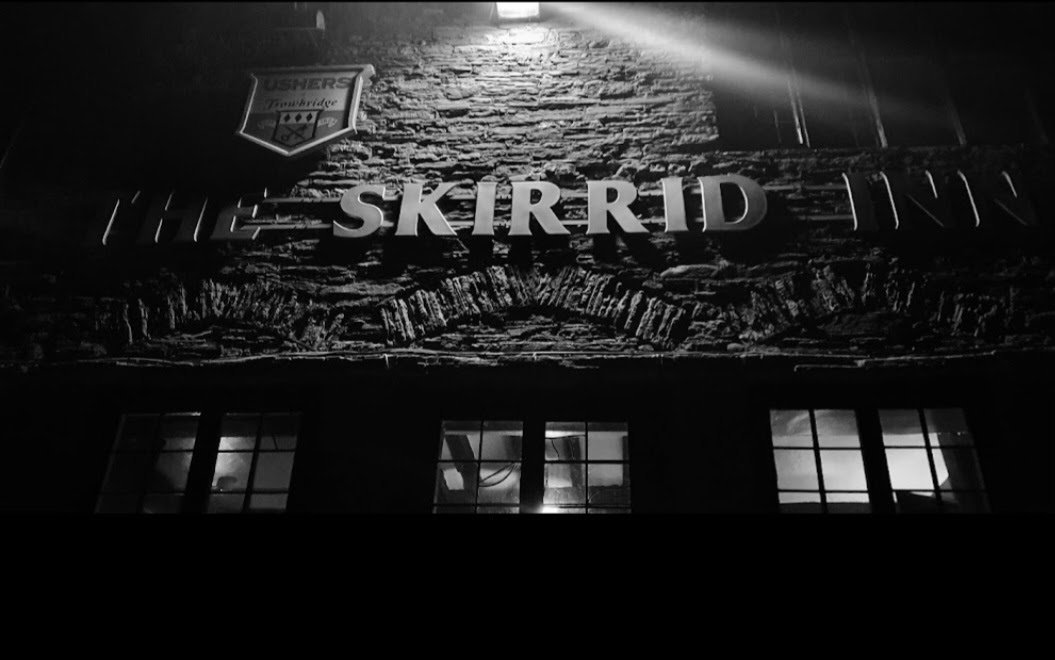
The Lingering Imprint: Understanding Residual Hauntings
Residual hauntings, often described as “stone tape” hauntings, present a fascinating and somewhat scientifically palatable subset within the broader field of paranormal phenomena. Unlike intelligent hauntings, where a spirit interacts consciously with the environment, residual hauntings are believed to be echoes of past events, imprinted onto a location, replaying themselves repetitively without awareness or interaction. They are, in essence, recordings of significant moments in time, playing out on a loop. Understanding the nuances of residual hauntings requires exploring the underlying theories, identifying characteristics, and differentiating them from other types of spectral activity.
Theories Behind the Imprint:
Several theories attempt to explain the mechanism behind residual hauntings, though concrete scientific proof remains elusive.
-
Stone Tape Theory: Proposed by British scientist T.C. Lethbridge, the stone tape theory posits that certain materials, particularly stone, quartz, and even organic substances like wood, can act as recording media for powerful emotional or traumatic events. Energy from these events is believed to become embedded within the molecular structure of these materials, allowing the event to replay under specific conditions. This theory draws an analogy to the magnetic tape used for audio recording, hence the name “stone tape.” Certain geological formations are also believed to be particularly conducive to this phenomenon.
-
Environmental Imprinting: This theory expands on the stone tape concept, suggesting that the environment as a whole – including the atmosphere, EMF fields, and the collective consciousness of those present – can contribute to the imprinting process. High emotional intensity, often associated with death, violence, or significant life events, is considered a key ingredient. The theory proposes that these events leave an energetic residue, a psychic imprint, that becomes “stuck” within the fabric of the location. Factors such as geomagnetic activity, atmospheric pressure changes, or even the presence of specific individuals (often highly sensitive individuals) could trigger the playback.
- Time Slips/Chronal Anomalies: While not exclusively explaining residual hauntings, the concept of time slips or chronal anomalies can provide a related framework. This suggests that the past isn’t necessarily a linear, fixed entity but rather a fluid dimension that can occasionally bleed into the present. Residual hauntings, in this context, could be glimpses or fragments of the past momentarily overlaying the present reality. This theory is often linked to locations with a rich and turbulent history, where significant temporal events have occurred.
Characteristics of Residual Hauntings:
Identifying a residual haunting involves recognizing specific patterns and characteristics:
-
Repetitive Nature: A hallmark of residual hauntings is their repetitive nature. The same scene, sounds, or actions are consistently observed in the same location and at similar times. The apparition or event doesn’t deviate from its pattern. For instance, a ghostly figure might be seen walking the same path every evening at dusk, or the sound of a child crying might be heard consistently in a specific room.
-
Lack of Interaction: Unlike intelligent hauntings, residual entities do not interact with the living. They are unaware of observers and continue their replay regardless of external stimuli. They don’t respond to questions, acknowledge presence, or alter their behavior in any way. It is like watching a movie playing on repeat.
-
Specific Locations: Residual hauntings are typically confined to specific areas or locations. The imprinted energy is localized, meaning the activity is rarely observed outside the immediate vicinity of the original event. A specific room, hallway, or outdoor area is usually the focal point of the phenomenon.
-
Consistency of Appearance: The appearance of the apparition, if one is visible, remains consistent. Clothing, age, and mannerisms are always the same. Descriptions from multiple observers will generally align, providing further evidence of the repetitive, non-interactive nature of the phenomenon.
-
Temporal Association: Activity may be linked to a specific time of day, year, or even weather conditions. The conditions present at the time of the original event could be a trigger for the replay. For example, an apparition might only appear on the anniversary of a tragic event or during similar weather patterns.
- Sensory Experiences: Residual hauntings can manifest as sensory experiences beyond visual apparitions. These might include auditory phenomena like footsteps, whispers, or the sounds of specific activities (e.g., hammering, arguing). Olfactory phenomena, such as the scent of perfume, smoke, or decay, and tactile sensations, like cold spots or a feeling of being touched, can also be associated with residual energy.
Differentiating Residual Hauntings from Other Paranormal Phenomena:
Distinguishing a residual haunting from an intelligent haunting or other types of paranormal activity is crucial for accurate analysis:
-
Intelligent Hauntings: Intelligent hauntings involve spirits that are conscious and capable of interacting with the living. They can respond to questions, manipulate objects, and exhibit a range of emotions. Their behavior is often unpredictable and changes based on circumstances. The presence of intelligent entities implies a consciousness that persists beyond physical death.
-
Poltergeist Activity: Poltergeist activity is characterized by noisy and disruptive disturbances, often involving the movement of objects, loud noises, and unexplained phenomena. While the source of poltergeist activity is debated, it is often attributed to psychokinetic energy generated by a living person, particularly during periods of stress or emotional turmoil. Poltergeist activity is generally localized around a specific individual, rather than a location.
-
Demonic Influence: Demonic influence, a more controversial concept, is attributed to malevolent entities with the intent to harm or manipulate individuals. This type of activity is often characterized by extreme phenomena such as physical attacks, psychological torment, and manifestations of disturbing imagery. The presence of religious symbols or artifacts might be interpreted differently in this context.
- Environmental Factors: Natural phenomena can often mimic paranormal activity. Drafts can create unexplained sounds, temperature fluctuations can cause cold spots, and even the placebo effect can lead to subjective experiences. A thorough investigation should rule out natural explanations before attributing phenomena to paranormal causes.
Investigating Suspected Residual Hauntings:
Investigating a suspected residual haunting requires a systematic and objective approach:
-
Historical Research: Thoroughly research the history of the location. Identify any significant events, deaths, or traumatic occurrences that might have contributed to the imprinting. Historical records, newspaper articles, and personal accounts can provide valuable insights.
-
Environmental Monitoring: Monitor environmental factors such as EMF levels, temperature fluctuations, humidity, and atmospheric pressure. Changes in these conditions might correlate with the observed phenomena.
-
Audio and Video Recording: Utilize audio and video recording equipment to capture potential evidence. Digital recorders, infrared cameras, and full-spectrum cameras can be valuable tools for documenting anomalous activity.
-
Witness Interviews: Interview witnesses who have experienced the phenomena. Gather detailed accounts of their observations, including the time, location, and specific details of the event. Look for consistent patterns and discrepancies in their accounts.
- Skepticism and Objectivity: Approach the investigation with a healthy dose of skepticism and maintain objectivity throughout the process. Rule out natural explanations and avoid leading questions or preconceived notions.
The Significance of Residual Hauntings:
While residual hauntings may not provide definitive proof of an afterlife, they offer a compelling glimpse into the potential for energy to persist and replay within specific locations. They highlight the profound impact of significant events on the environment and raise intriguing questions about the nature of time, memory, and consciousness. The study of residual hauntings can contribute to a broader understanding of the complex relationship between the physical world and the unseen realms of human experience. They remind us that the past is not always neatly contained but can sometimes echo into the present, leaving a lingering imprint on the places we inhabit.