Instead, immediately launch into the subject matter. Use headings and subheadings for clarity.
The Alluring Enigma of Spirit Photography: Beyond the Lens
Spirit photography, the practice of capturing images purportedly showing ghosts and other spiritual entities, emerged almost simultaneously with the birth of photography itself. Its appeal lies in the intersection of scientific aspiration and the timeless human fascination with the afterlife. But separating genuine paranormal phenomena from deliberate manipulation and misinterpretation has been a challenge since its inception.
The Dawn of Spectral Images: William H. Mumler and the Ghost of Photography
William H. Mumler, a Boston engraver, is widely considered the pioneer of spirit photography. In the early 1860s, Mumler claimed to have inadvertently captured the spectral image of his deceased cousin in a self-portrait. This accidental “discovery” quickly evolved into a lucrative business. He offered portrait sittings promising to reveal the spirits of loved ones hovering near his clients.
Mumler’s popularity soared, attracting a diverse clientele including Mary Todd Lincoln, who allegedly obtained a photograph featuring the ghost of her assassinated husband, Abraham Lincoln. However, suspicions of fraud quickly arose. It was discovered that Mumler utilized double exposure and the incorporation of pre-existing photographs of deceased individuals, obtained without consent, to create his “spirit” images.
Despite facing accusations of fraud and a highly publicized trial, Mumler continued to practice spirit photography, albeit with a significantly tarnished reputation. His case highlighted the nascent field’s vulnerability to exploitation and the gullibility of a public yearning for tangible evidence of life after death.
Techniques and Trickery: Unmasking the Methods of Spirit Photographers
Spirit photographers employed a variety of techniques to create their illusions, preying on the public’s lack of understanding of photographic processes.
- Double Exposure: One of the most common methods involved exposing the same photographic plate twice. The first exposure would capture the sitter, while the second, often faint and ethereal, would depict the purported spirit. This could be achieved by masking part of the plate during the first exposure and carefully positioning a second subject during the second exposure.
- Combination Printing: This technique involved combining two or more negatives to create a single composite image. This allowed photographers to seamlessly merge images of “spirits” with portraits of their clients.
- Pre-Exposed Plates: Prepared plates with faintly etched images of spirits could be subtly used. Developing the plate would reveal both the sitter and the pre-existing spectral figure.
- Living Actors: Some photographers employed actors draped in white sheets or using other methods to mimic ghostly figures, posing them behind or beside the sitter during the exposure. Lighting and camera angles were manipulated to create a semi-transparent or ethereal effect.
- Photographic Manipulation: Retouching negatives with chemicals or paint allowed photographers to enhance the appearance of spirits, adding details like eyes, hair, and clothing. These techniques became more sophisticated as photographic technology advanced.
- Exploiting Imperfections: Early photographic emulsions were prone to imperfections, such as chemical stains or light leaks. Cunning photographers would interpret these anomalies as evidence of paranormal activity, exploiting their clients’ desire to believe.
The Rise and Fall of Spirit Photography: Influences and Decline
Spirit photography flourished during a period of immense social upheaval and widespread mourning. The American Civil War, with its staggering death toll, fueled a desperate longing for connection with lost loved ones. Spiritualism, a religious movement that emphasized communication with the deceased, gained immense popularity, providing a receptive audience for spirit photographers.
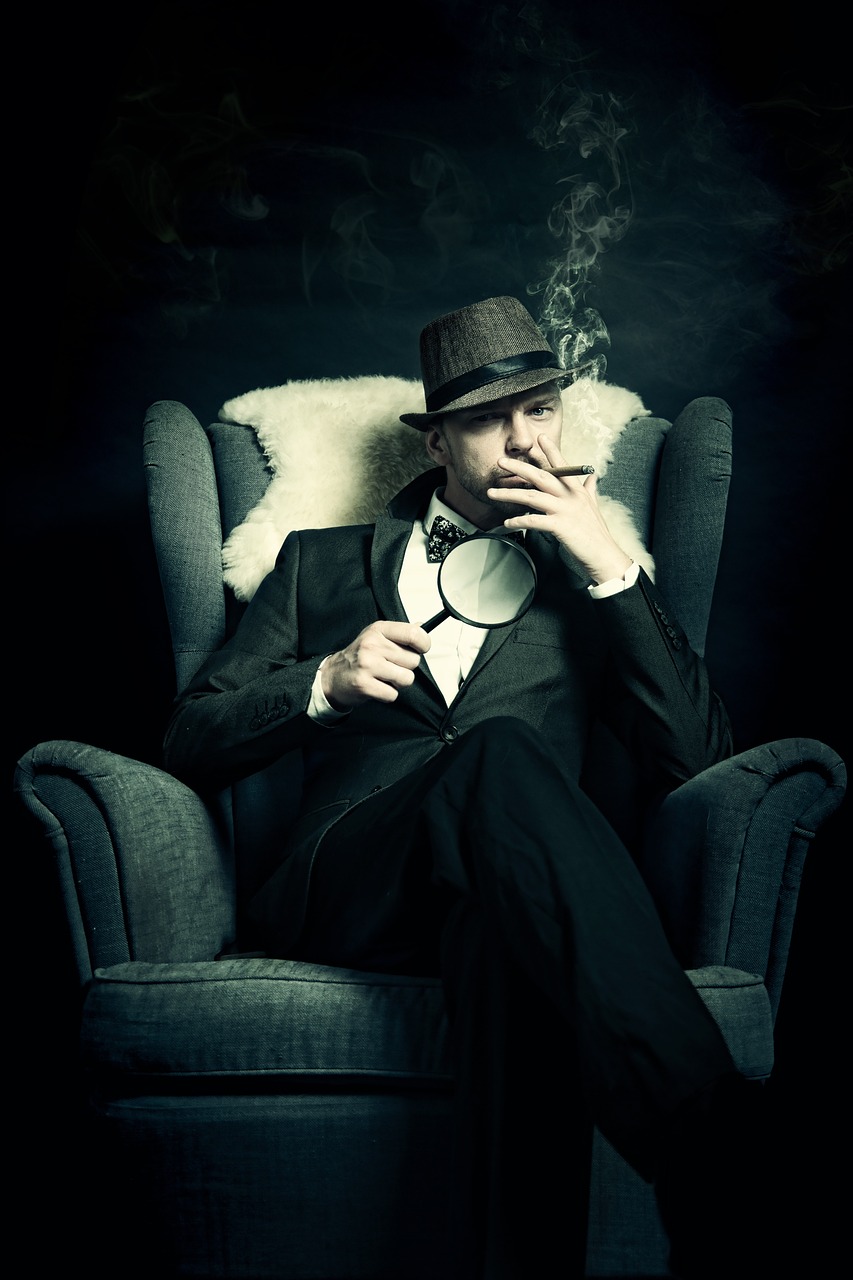
The movement drew in prominent figures such as Sir Arthur Conan Doyle, the creator of Sherlock Holmes, who became a staunch believer in spiritualism and an advocate for spirit photography, despite mounting evidence of fraud. His support lent credibility to the practice, prolonging its lifespan.
However, as photographic technology improved and knowledge of photographic processes became more widespread, the fraudulent nature of many spirit photographs became increasingly difficult to conceal. Magicians and debunkers, such as Harry Houdini, actively exposed the techniques used by spirit photographers, further eroding public trust.
The emergence of more sophisticated scientific methods for investigating paranormal claims, such as controlled experiments and rigorous data analysis, also contributed to the decline of spirit photography. While some continued to believe in the authenticity of these images, the majority of the public gradually lost interest as the evidence of deception became overwhelming.
Spirit Photography Today: Legacy and Modern Interpretations
While the heyday of spirit photography is long past, the practice continues to exist in various forms.
- Modern “Spirit” Photography: Some contemporary photographers claim to capture spirit images using digital cameras and modern editing software. These images are often shared online and generate debate within paranormal communities.
- Pareidolia and Psychological Factors: Skeptics often attribute supposed spirit photographs to pareidolia, the human tendency to see patterns and faces in random stimuli. This, combined with grief and the desire to believe, can lead individuals to interpret ambiguous images as evidence of the paranormal.
- Artistic Interpretations: Some artists explore the themes of spirit photography, using it as a medium to explore ideas of loss, memory, and the unseen world. These works often aim to evoke a sense of mystery and ambiguity rather than to present literal representations of spirits.
- Ghost Hunting and Electronic Voice Phenomena (EVP): Modern ghost hunting often incorporates photography as a tool for documenting paranormal activity. Investigators use digital cameras, infrared cameras, and other specialized equipment in the hope of capturing evidence of spirits. EVP, the recording of supposed spirit voices on audio equipment, is also sometimes associated with spirit photography.
- The Enduring Appeal: Despite the debunking and the prevalence of fraud, the allure of spirit photography persists. It speaks to the deeply ingrained human desire to connect with the deceased and to find evidence of life beyond death. The images, whether real or fabricated, continue to spark debate and inspire a sense of wonder and intrigue.
The history of spirit photography serves as a cautionary tale about the power of belief, the importance of critical thinking, and the ethical responsibilities of those who claim to possess evidence of the paranormal. It is a reminder that appearances can be deceiving and that extraordinary claims require extraordinary evidence. The shadows on film may be nothing more than tricks of light and clever manipulation, but the enduring fascination with the unseen world continues to captivate our imaginations.