Bloody Mary: Legend or Reality? Unveiling the Myth Behind the Mirror
Bloody Mary. The name alone conjures images of darkened bathrooms, flickering candlelight, and a spectral figure lurking behind the glass. This iconic urban legend, passed down through generations, continues to ignite fear and fascination. But is Bloody Mary merely a spooky tale told at sleepovers, or does it have roots in reality? Let’s delve into the origins, variations, scientific explanations, and potential historical inspirations behind this chilling mirror ritual.
Tracing the Origins: A Tapestry of Folklore
Pinpointing the exact origin of the Bloody Mary legend is a challenge. It’s more likely an amalgamation of several folk beliefs, ghost stories, and coming-of-age rituals that evolved over time. Many researchers believe its roots lie in older customs practiced by young women seeking insight into their future husbands.
One prevalent theory connects Bloody Mary to practices involving mirrors and scrying. In the past, mirrors were believed to be portals to the spirit world, and young women would attempt to glimpse the faces of their future spouses by looking into them. This practice often involved chanting names or performing specific rituals. Failures or unexpected results could lead to feelings of fear and anxiety, potentially seeding the legend of a malevolent entity lurking within the mirror.
Another theory links Bloody Mary to local ghost stories and tales of wronged women. In many cultures, stories exist of women who died tragically, often under violent circumstances, and whose spirits are believed to be trapped, seeking revenge or recognition. These narratives, combined with the mirror ritual, could have contributed to the development of the Bloody Mary myth.
Variations on a Theme: Exploring the Different Accounts
The Bloody Mary legend isn’t a monolithic entity. It exists in countless variations, each with its own unique details. These variations highlight the adaptability of folklore and its ability to reflect local fears and concerns.
The most common variation involves chanting “Bloody Mary” repeatedly into a mirror in a dimly lit room. The number of repetitions varies depending on the telling, ranging from three to thirteen. Some versions require specific actions, such as spinning around or holding a candle.
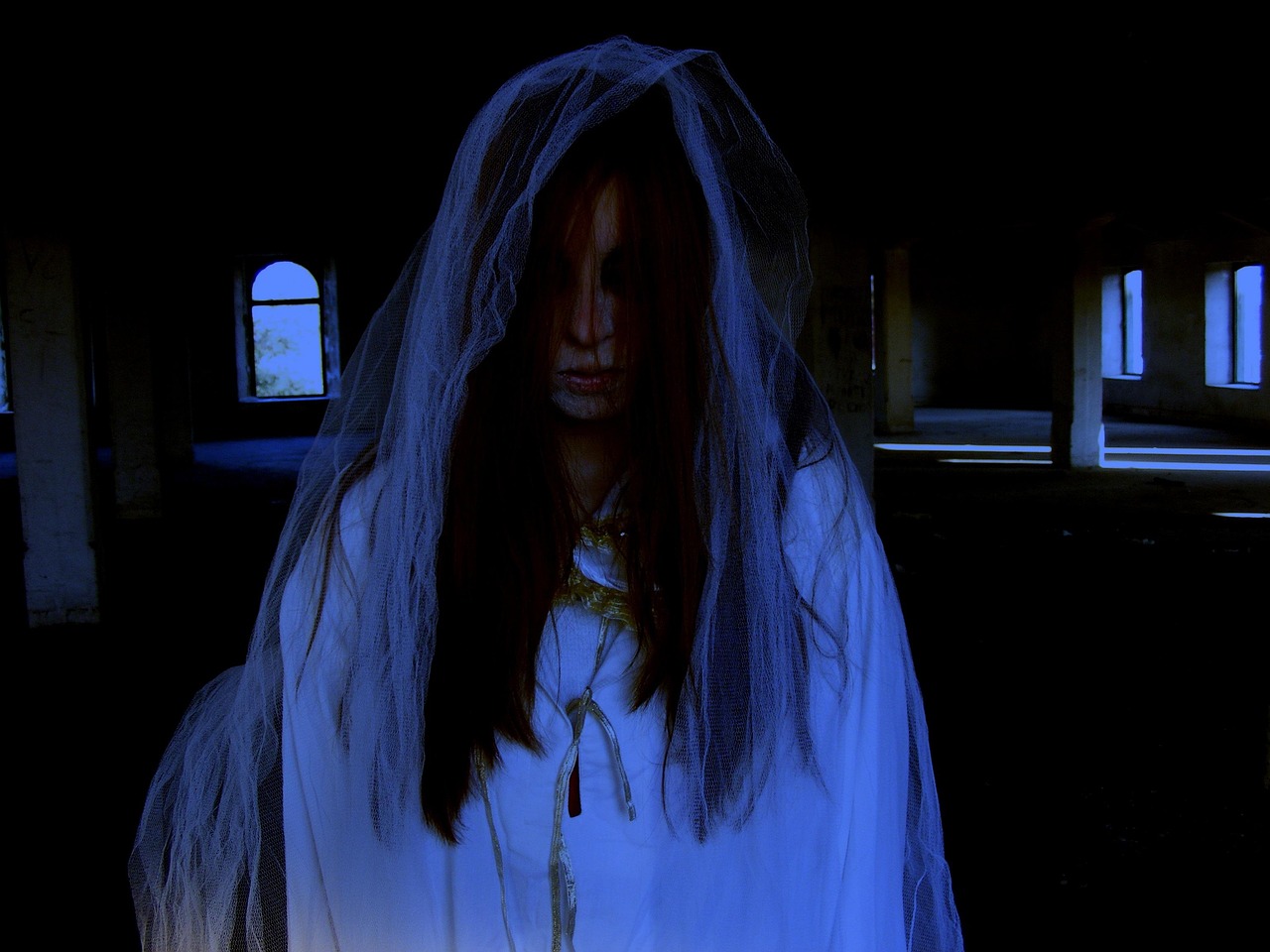
The appearance of Bloody Mary also differs. Some accounts depict her as a decaying corpse, while others portray her as a beautiful but terrifying woman covered in blood. Her intentions vary as well. In some versions, she scratches the summoner’s face or pulls them into the mirror. In others, she simply appears and disappears, leaving a sense of unease and dread.
Beyond the core ritual, many variations include details about Bloody Mary’s supposed life and death. Some stories claim she was a witch who was burned at the stake. Others say she was a mother who lost her child and went mad with grief. Still others claim she was a young woman murdered in front of a mirror. These backstories add layers of complexity to the legend, giving it a perceived sense of history and authenticity.
The Science Behind the Scare: Physiological and Psychological Explanations
While the Bloody Mary legend might seem supernatural, there are several scientific explanations that can account for the experiences people report during the ritual. These explanations involve both physiological and psychological factors.
One key factor is sensory deprivation. Performing the ritual in a dimly lit room can create a state of sensory deprivation, which can alter perception and lead to hallucinations. The brain, starved of external stimuli, may begin to generate its own images and sounds, leading to a distorted sense of reality.
Another factor is pareidolia, the tendency to see patterns and meaning in random stimuli. In the dim light of a bathroom, our brains may interpret the shadows and reflections in the mirror as faces or figures, especially when we are expecting to see something scary.
Psychological factors also play a significant role. Expectation and suggestibility can greatly influence our experiences. If we believe that something scary will happen, we are more likely to interpret ambiguous stimuli as evidence of its presence. The power of suggestion, particularly in a group setting, can amplify these effects.
Furthermore, the ritual itself can induce anxiety and stress, which can further distort perception and increase the likelihood of experiencing hallucinations. The anticipation of encountering Bloody Mary can create a self-fulfilling prophecy, where our fear and anxiety manifest as perceived paranormal events.
Historical Inspirations: Separating Fact from Fiction
While the Bloody Mary legend is largely fictional, some researchers have suggested potential historical figures who may have inspired aspects of the myth. These figures, often powerful and controversial women, share certain characteristics with the Bloody Mary archetype.
One possible inspiration is Queen Mary I of England, also known as “Bloody Mary” for her persecution of Protestants during her reign in the 16th century. While there’s no direct link between the queen and the mirror ritual, her infamous nickname and association with death and violence could have contributed to the legend’s development.
Another potential inspiration is Elizabeth Bathory, a Hungarian countess accused of torturing and killing hundreds of young women in the 16th and 17th centuries. Bathory was rumored to have bathed in the blood of virgins to maintain her youth, a gruesome detail that resonates with the Bloody Mary image.
These historical figures, while not directly responsible for the Bloody Mary legend, offer a glimpse into the cultural anxieties and archetypes that may have shaped its development. They represent powerful and potentially dangerous women, figures that have long fascinated and frightened societies.
The Enduring Appeal: Why We Still Tell the Tale
Despite its lack of factual basis, the Bloody Mary legend continues to captivate and terrify audiences. Its enduring appeal lies in its ability to tap into primal fears and anxieties.
The legend explores themes of death, violence, and the unknown, all of which are fundamental human concerns. The mirror, a symbol of self-reflection and identity, becomes a portal to something sinister and unpredictable, challenging our sense of control and understanding.
The ritualistic nature of the Bloody Mary legend also contributes to its appeal. The act of chanting and performing specific actions creates a sense of suspense and anticipation, making the experience more immersive and memorable.
Furthermore, the Bloody Mary legend serves as a rite of passage for many young people. Telling and retelling the story, and even attempting the ritual, can be a way to test one’s courage, explore the boundaries of the supernatural, and bond with friends.
Ultimately, the Bloody Mary legend is a testament to the power of folklore and its ability to reflect and shape our cultural anxieties. Whether viewed as a harmless superstition or a terrifying possibility, the tale of Bloody Mary continues to haunt our imaginations, reminding us of the enduring power of fear and the allure of the unknown.